Leak Detection in Waitara
1000+ five-star reviews
Hidden water leaks get traced with acoustic and thermal equipment, finding the true source before a single tile comes off, then repaired under a fixed written price. Homes across Waitara lose water every day to leaks nobody can see.
- $0 Call Out Fee
- Lifetime Labour Warranty
- Licensed & Insured
- Lic #275278C
- Licensed & Insured
- $0 Call Out Fee
- Lifetime Labour Warranty
- On-Site Fast, 24/7
- 1000+ five-star reviews
- Real Humans Answer, Day or Night
- Lic #275278C
- Licensed & Insured
- $0 Call Out Fee
- Lifetime Labour Warranty
- On-Site Fast, 24/7
- 1000+ five-star reviews
- Real Humans Answer, Day or Night
- Lic #275278CNSW plumbing licence, fully insured, water and gas
- $0 Call Out FeeIt costs nothing to get us to your door
- Lifetime Labour WarrantyIf it's not right, we come back. No questions. No cost.
- 1000+ five-star reviewsSydney homeowners have rated us five stars over a thousand times
A real person answers, day or night
The leak you cannot see is the one doing the damage
A stain spreading across a ceiling, a meter spinning at midnight, a wall that feels damp for no reason. Concealed leaks rarely announce themselves until the repair bill includes plastering, painting and mould treatment, which is why tracing the source properly matters more than guessing fast.
Why leaks hide so well in this suburb
- Ridge geography works against pipework Sitting at around 187m on shale and reactive clay, sloping blocks put constant movement and pressure differential into supply runs, and ground shift slowly works joints apart behind walls and under floors.
- Galvanised lines corrode from the inside Pre-1940 and mid-century houses frequently retain original galvanised steel supply pipes that rust internally, weeping at threads and pinholing along runs buried in double-brick walls.
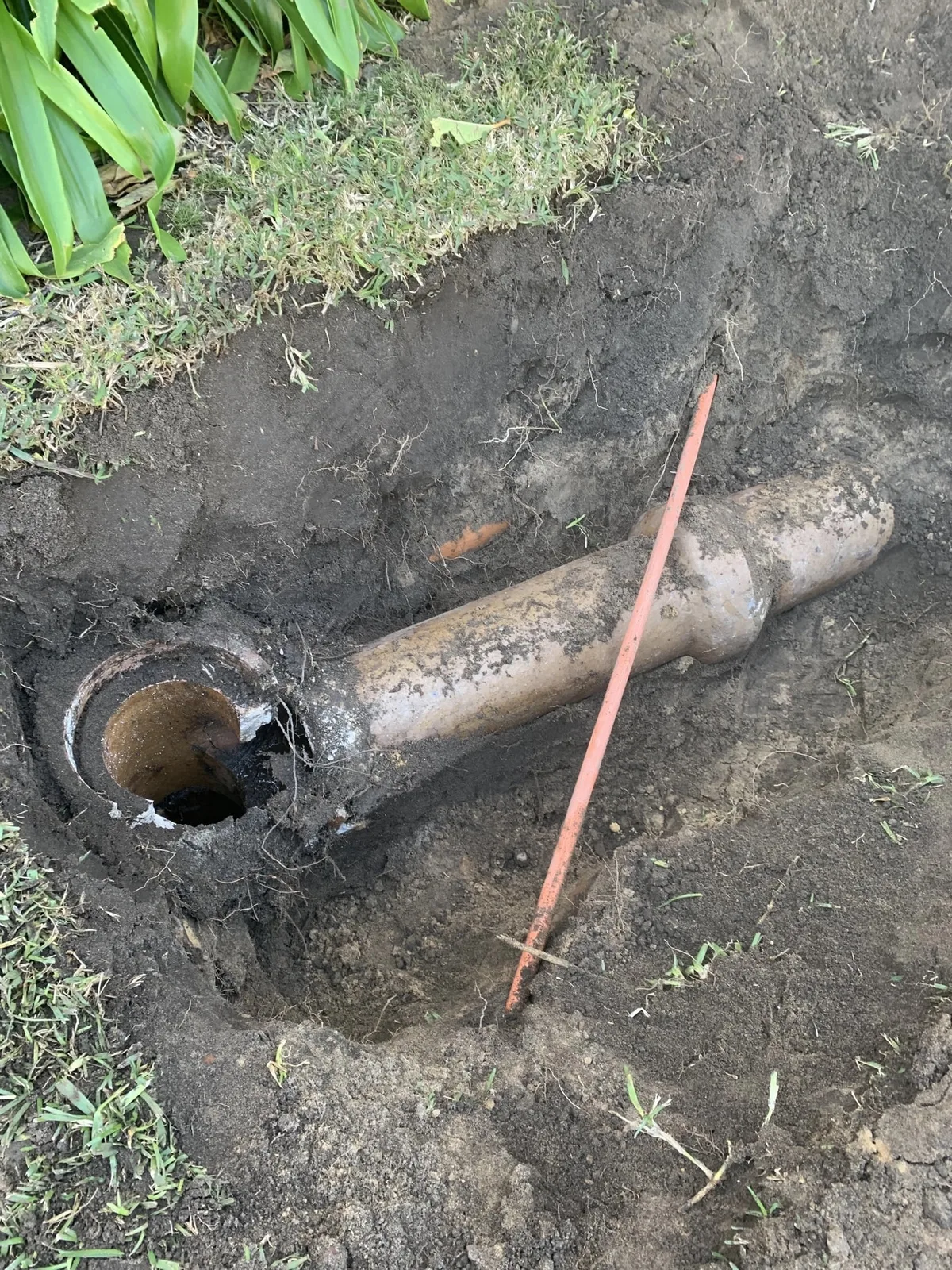
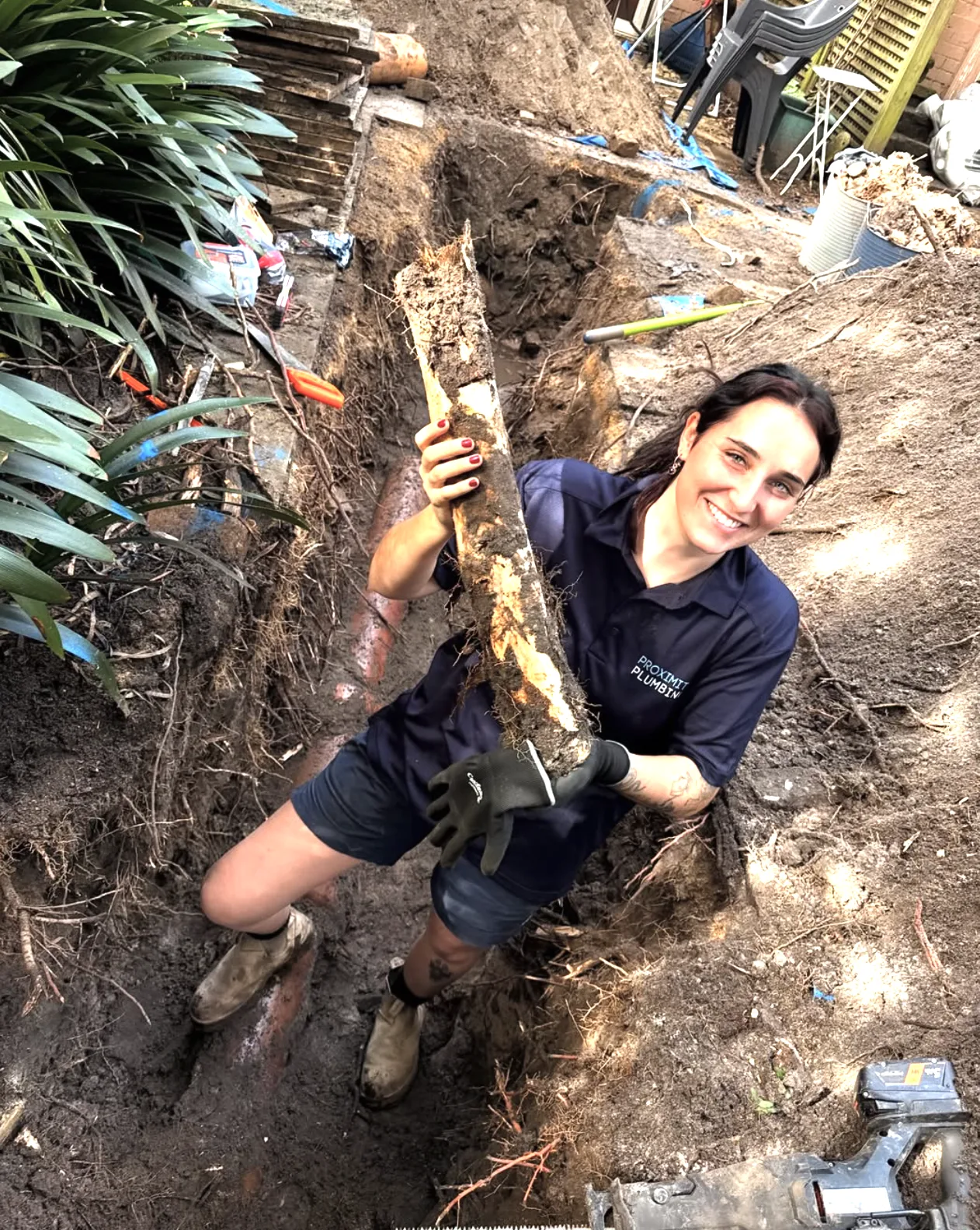
- Mature trees hunt water The leafy older gardens that give the suburb its character send roots toward every moisture source, and roots that invade drains can also disturb and crack the supply lines running alongside them.
How we trace leaks
Every trace follows the evidence, not a hunch, and the equipment does the listening before anyone reaches for a tool.
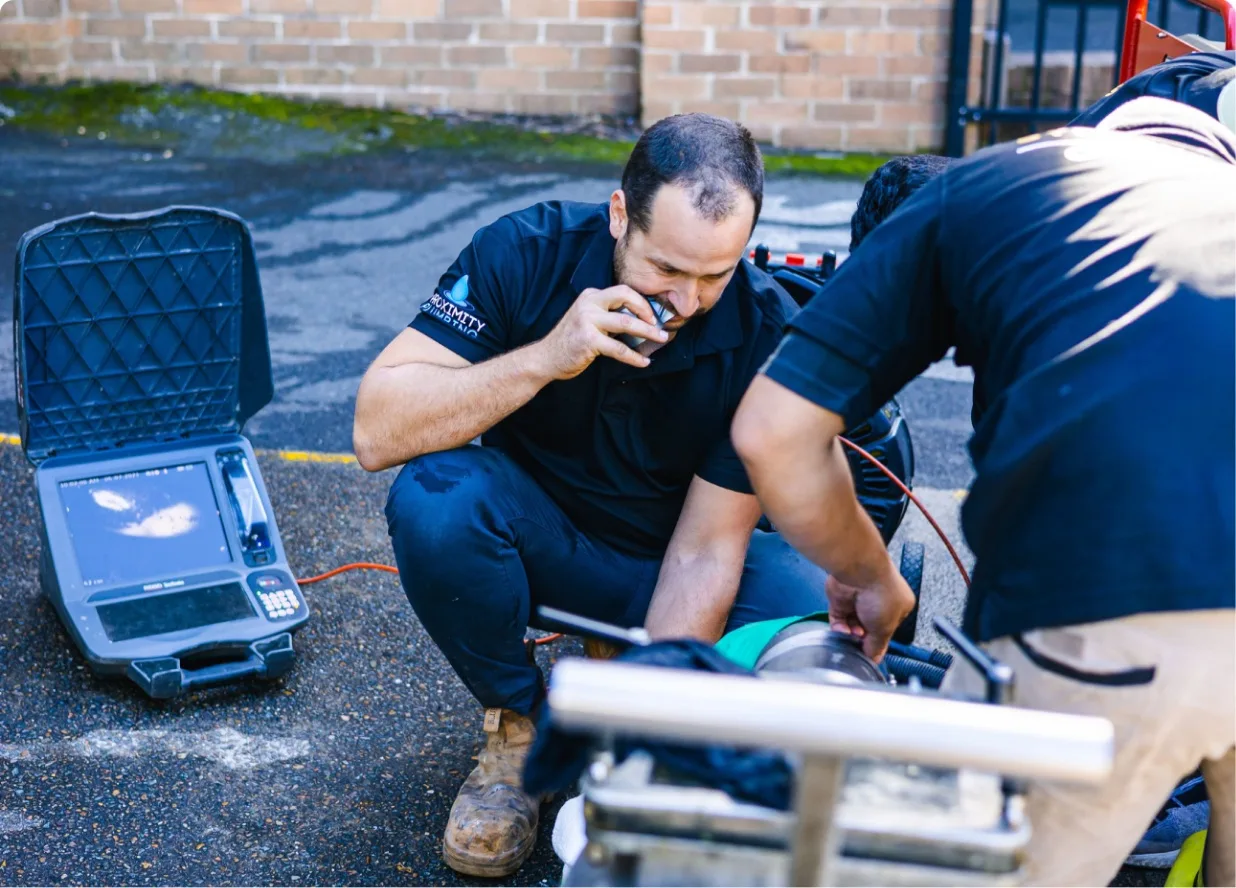
- Acoustic listening Sensitive ground microphones and listening rods pick up the signature hiss of pressurised water escaping, narrowing a suspected leak from a whole wall or slab section down to a patch the size of a dinner plate.
- Thermal and moisture mapping Infrared cameras reveal the warm footprint of a hot water leak under a slab or behind tiles, while moisture meters chart how far water has travelled, because the wet patch is rarely where the leak actually is.
- Pressure and meter testing Isolating sections of the supply and watching the meter tells us which run is losing water and how badly, which separates a genuine leak from a dripping tap or a failing cistern valve.
- Tracer gas for the stubborn ones When nothing else pins it down, a safe hydrogen-nitrogen mix pushed through the pipe escapes at the exact fault point and surfaces where a detector sniffs it, finding leaks under concrete that no camera can reach.
Two housing stocks, two leak profiles
The suburb's split character produces very different fault patterns, and a tracer who knows both arrives with the right assumptions.
- The older double-brick streets Decades-old galvanised supply lines corrode along their whole length, so one repair often reveals the next weak point, and an honest repipe conversation is worth having before patches multiply.
- The unit towers near the railway precinct Flexi hoses behind vanities and washing machines fail abruptly, and a leak in a tower travels down through slab edges into the unit below, turning a small fitting into a multi-dwelling problem fast.
- The weather on top Autumn leaf fall and storm-season downpours add surface water that finds every weak penetration around external walls, so what looks like a pipe leak is sometimes tracking in from a failed flashing or a surcharged stormwater line.
Common concealed leak problems we trace
The meter that never stops
Every tap is closed, nothing is running, yet the meter keeps creeping. That steady tick usually means pressurised water is escaping somewhere between the meter and a fixture, and a pressure drop test across isolated sections narrows the culprit run before any surface is opened.
The warm patch on the slab
A section of floor that feels warm underfoot, or hot water arriving strangely slowly at a distant tap, points to a hot water line leaking beneath the concrete. Thermal imaging maps the run's route so the repair opens one small square of slab instead of a trench of guesses.
The damp wall with no visible source
Moisture blooming on a wall or skirting often reads as a roof or drainage issue when it is actually a weeping fitting inside the cavity. Moisture mapping traces the dampness back uphill to its true entry point, which is frequently metres from where the damage shows.
Why tracing properly matters: the cost of guessing
Guesswork multiplies the bill
Opening walls on instinct means paying for plastering, tiling and painting on top of the plumbing, and if the guess misses, the demolition starts again while the leak keeps soaking the cavity.
Mould moves in quietly
A concealed leak feeding a wall cavity or under-slab void creates the damp, dark conditions mould needs, and by the time it smells, remediation costs far exceed what an early trace and repair would have.
Structural damage compounds
Water undermining slab edges, rotting bearers or swelling reactive clay beneath footings turns a plumbing fault into a building one, and the earlier the source is found, the smaller that compounding damage stays.
How it works
How a leak detection job works
- 01
Call and tell us
Ring (02) 9072 0520 and describe what's happening, and a licensed plumber, not an answering machine, will tell you what it likely means, what to stop using, and when we can realistically be there.
- 02
Quote before work
Your plumber inspects the job properly, runs whatever diagnosis it genuinely needs, and hands you a single fixed written price covering the complete fix, with a $0 call out fee and nothing added afterwards.
- 03
Trace and pinpoint
Acoustic gear, thermal imaging and moisture mapping narrow the leak to its exact source, pressure testing confirms which run is at fault, and where a repair needs access we mark the smallest possible opening and show you the evidence before anything is opened.
- 04
Backed for life
Everything we complete is covered by our Lifetime Labour Warranty, the promise that outlasts the job itself: if it's not right, we come back. No questions. No cost.
Why choose Your Plumber Waitara
Fixed prices, kept
Every job is priced upfront in plain writing before any work starts, the invoice always matches that number, and weekend or late-evening timing changes nothing, because overtime rates simply don't exist here.
Licensed and insured
Your Plumber Waitara works under licence #275278C with full insurance behind every job, and the compliance certificates that protect your home's paperwork trail arrive with the invoice, without you ever needing to ask for them.
Lifetime Labour Warranty
Workmanship here is guaranteed for life under our Lifetime Labour Warranty rather than for a warranty card's fine-print window, which says more about how the work is done in the first place than any advertisement could.
Genuinely local response
We work these streets constantly rather than commuting in from across Sydney, so the van reaching you has usually just left a job nearby, stocked for the faults the local houses actually develop.
Where a trace uncovers something bigger than one fitting, the fix connects to a wider service: corroded runs point toward burst pipes, and recurring moisture near gardens can mean roots have found the sewer, which our drainage team handles with camera inspection first.
Where we work
Areas we service
Leak detection runs across Hornsby, Wahroonga, Normanhurst, Asquith and Mount Colah, wherever ageing supply lines, sloping blocks and mature gardens hide water where it should not be, with the same tracing equipment and fixed pricing carried to every job in the district.
Good questions, straight answers
Leak detection questions Waitara locals ask
How do you find a leak without opening up walls?
We use acoustic listening gear, moisture meters and thermal imaging to narrow the leak down before any surface comes off, which means one small access point instead of a demolished wall.
What does leak detection cost?
The call out and assessment cost nothing, and you receive a single fixed written price covering the full trace and repair before any work begins, so there are no hourly surprises.
How do I know if I have a hidden leak?
A water meter ticking over with every tap closed, a warm patch on a floor, mould on a wall or an unexplained spike in your Sydney Water bill all point to a concealed leak.
Can you trace leaks in older double-brick homes?
Yes, and they are a specialty here, because corroded galvanised supply lines in pre-war and mid-century houses fail along their length and need careful tracing rather than guesswork.
Do you attend apartment towers near the station?
We do, and we work carefully within building rules and strata requirements, tracing leaks through slab construction and shared walls with minimal disruption to neighbours.
Is leak detection covered by your warranty?
Every repair we complete after the trace is covered by our Lifetime Labour Warranty, so if the fix is not right we come back and make it right at no cost to you.
Suspect a leak in Waitara? Call now and we'll trace it
Call (02) 9072 0520 now and speak straight to a licensed plumber, day or night. The call out fee is $0, the price goes on paper before a tool comes off the van, and every repair is backed by our Lifetime Labour Warranty.
Every leak we have not traced yet is a job waiting, and home holds the full picture of what our team covers across the suburb.